What Is a Backhoe Loader? Used Backhoe Loader, Specifications, and Benefits
Understand what a backhoe loader is, how it works, common specifications, major applications, and the benefits that make it one of the most versatile construction machines.
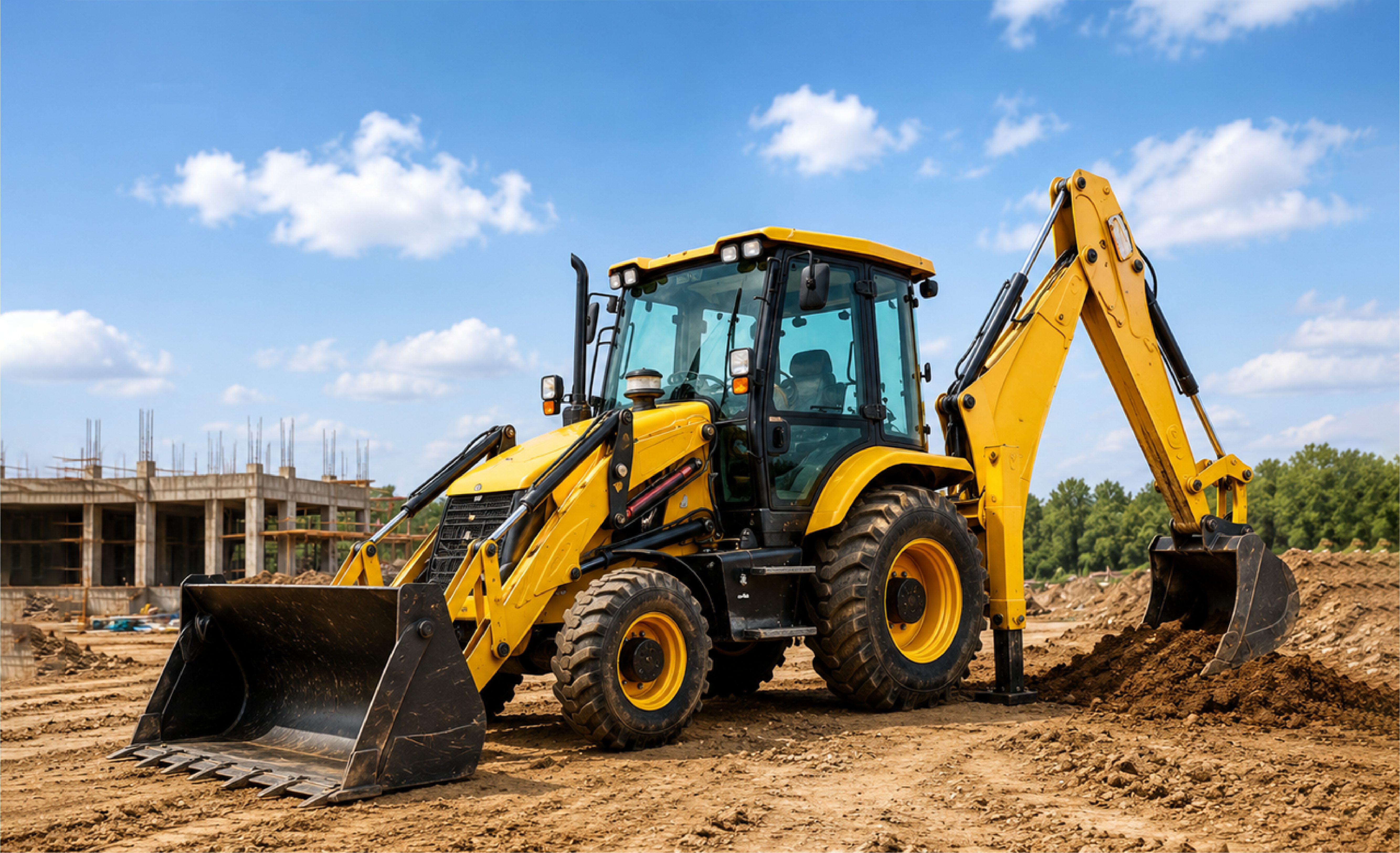
What Is a Backhoe Loader? Used Backhoe Loader, Specifications, and Benefits
What is a backhoe loader? A backhoe loader is a versatile machine designed to handle various tasks in construction, agriculture, landscaping, and infrastructure projects. It combines the features of a loader and an excavator, allowing it to perform digging, trenching, lifting, loading, and material handling operations. With its compact design, strong performance, and ability to work in limited spaces, a backhoe loader is widely used across different industries.
What Is a Backhoe Loader?
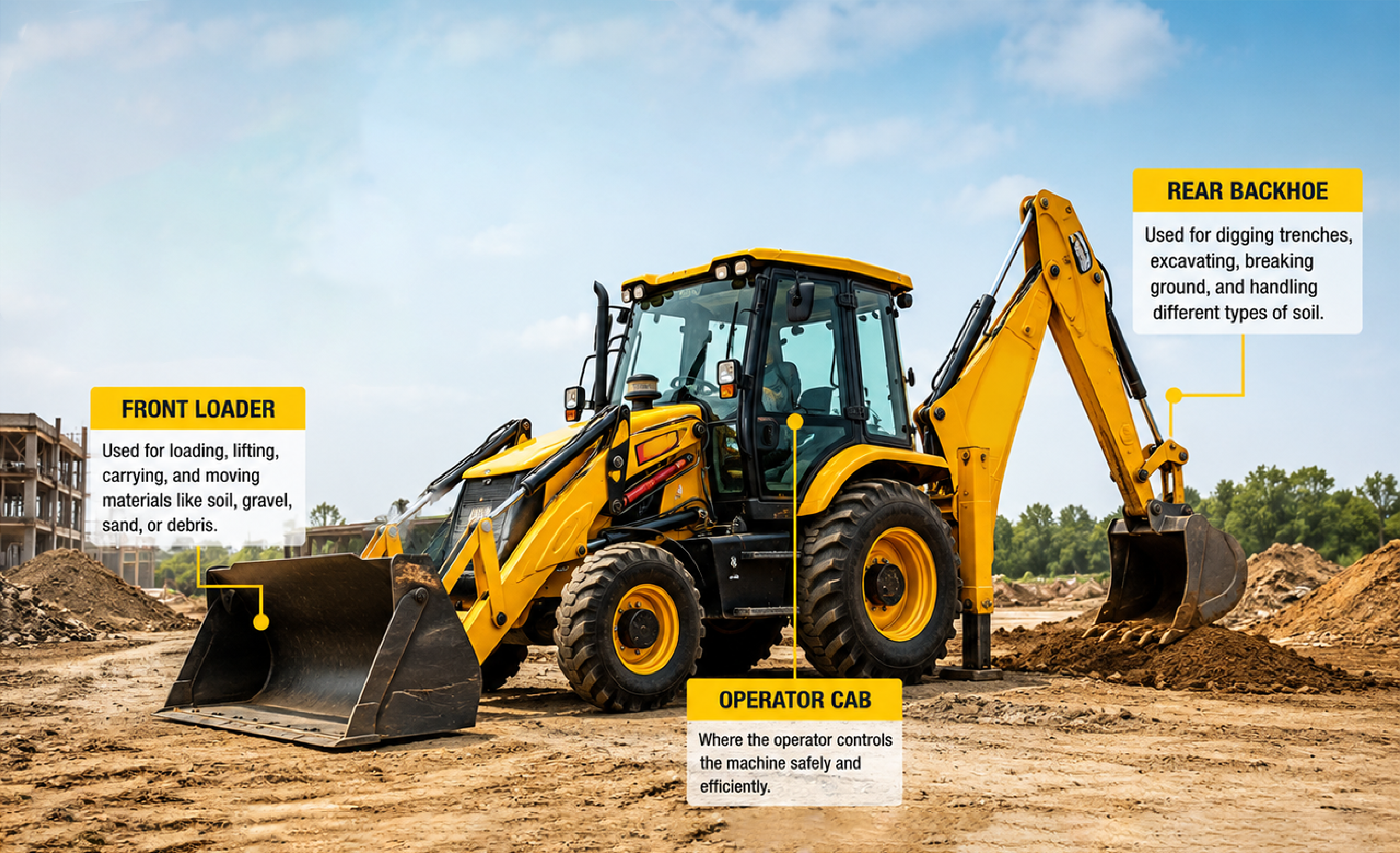
A backhoe loader is a heavy equipment machine equipped with a loader bucket at the front and a backhoe attachment at the rear. The front loader is used for lifting, carrying, and loading materials, while the rear backhoe is designed for digging and excavation tasks.
Because it combines two machines into one, a backhoe loader is highly valued for its versatility and cost-effectiveness. It is commonly used on construction sites, road projects, farms, and landscaping jobs where multiple tasks need to be completed efficiently.
How Does a Backhoe Loader Work?
A backhoe loader operates using a hydraulic system that powers both the front loader and the rear backhoe attachment. The hydraulic cylinders generate the force needed to lift heavy loads, dig trenches, and perform excavation tasks.
The front loader bucket is used to scoop and transport materials such as soil, sand, gravel, and debris. At the rear, the backhoe arm consists of a boom, dipper arm, and bucket that work together to dig, excavate, and move earth.
Operators can easily switch between the loader and backhoe functions, allowing the machine to handle a variety of tasks without requiring additional equipment.
How to Operate a Backhoe Loader?
Operating a backhoe loader requires proper training and adherence to safety procedures. Before starting the machine, operators should inspect critical components such as tires, hydraulic hoses, controls, and fluid levels.
Once the machine is started, the operator uses the front controls for loader operations and rear controls for excavation work. Stabilizers, also known as outriggers, are deployed during digging operations to provide balance and prevent machine movement.
Safe operation includes maintaining visibility, following site regulations, avoiding overloading, and regularly monitoring machine performance throughout the job.
What Are Backhoe Loader Specifications?
Backhoe loader specifications can vary depending on the model and manufacturer, but common features include:
- Engine power ranging from 70 HP to 110 HP
- Operating weight between 6,000 kg and 9,000 kg
- Digging depth of approximately 4 to 6 meters
- Loader bucket capacity ranging from 0.8 to 1.5 cubic meters
- Hydraulic systems designed for high lifting and digging performance
- Travel speeds suitable for moving between job sites efficiently
These specifications allow backhoe loaders to perform a wide range of tasks while maintaining excellent maneuverability.
What Are Backhoe Loaders Used For?
Backhoe loaders are used for various applications across multiple industries, including:
- Digging trenches and foundations
- Excavation and earthmoving
- Loading and transporting materials
- Utility installation projects
- Demolition of small structures
- Road repair and maintenance
- Landscaping and site preparation
- Agricultural operations and farm maintenance
Their ability to perform multiple functions with a single machine makes them a valuable asset on any job site.
Key Components of a Backhoe Loader
Loader Bucket
The loader bucket is mounted at the front of the machine and is used for lifting, carrying, loading, and leveling materials. It is ideal for handling soil, gravel, sand, and construction debris.
Backhoe Arm
Located at the rear of the machine, the backhoe arm is responsible for digging and excavation. It consists of a boom, dipper arm, and bucket that provide the reach and power required for trenching and earthmoving tasks.
Operator's Cab
The operator's cab serves as the control center of the machine. Modern cabs are designed for comfort, safety, and productivity, featuring ergonomic controls, adjustable seating, and excellent visibility.
Hydraulic System
The hydraulic system powers the movement of both the loader and backhoe attachments. It provides the force needed for lifting, digging, and material handling while ensuring smooth and efficient operation.
Stabilizers (Outriggers)
Stabilizers extend from the sides of the machine during excavation activities. They enhance stability, improve safety, and help maintain balance while digging on uneven terrain.
Applications of Backhoe Loaders
Construction
Backhoe loaders are widely used in construction projects for excavation, foundation work, site preparation, material handling, and loading operations.
Landscaping and Excavation
In landscaping projects, they assist with land grading, tree planting, drainage installation, pond excavation, and site development.
Roadwork and Maintenance
Road construction and maintenance crews use backhoe loaders for trenching, utility installation, debris removal, and repair work.
Agriculture
Farmers utilize backhoe loaders for digging irrigation channels, clearing land, moving materials, and performing general farm maintenance tasks.
Advantages of Using a Backhoe Loader
Versatility
One of the biggest advantages of a backhoe loader is its ability to perform multiple tasks with a single machine. It can dig, load, lift, transport, and level materials efficiently.
Cost-Effective
Since a backhoe loader combines the functions of several machines, it reduces equipment investment, maintenance costs, and labor requirements.
High Mobility
Unlike larger excavation equipment, backhoe loaders can travel easily between job sites and operate effectively in urban and restricted work environments.
Easy Operation
Modern backhoe loaders feature user-friendly controls and advanced technology that help operators work more efficiently and safely.
Increased Productivity
The ability to switch quickly between digging and loading operations reduces downtime and improves overall job site productivity.
Space Efficiency
Their compact design allows them to work effectively in confined areas where larger machines may not be practical.
Frequently Asked Questions
Backhoe Loader FAQs
- What is a backhoe loader?
- A backhoe loader is a useful construction machine that combines a loader and a digger in one machine. It is used for digging, loading, lifting, and moving materials at construction sites.
- Which backhoe loader is best in India?
- The best backhoe loader in India depends on your project needs, budget, and workload. JCB 3DX is widely considered one of the best options because of its strong performance, fuel efficiency, and excellent service network. Other popular choices include Mahindra EarthMaster VX, CASE 770 NXE, Bull SD76, Tata Hitachi Shinrai Prime, CAT 424, E-Kubota BLX75, ACE AX 124 Eco Master, and Bobcat B900, each offering different benefits for specific job requirements.
- What are the parts of a backhoe?
- A backhoe consists of several important parts that help it perform digging and loading tasks efficiently. The main parts include the front loader, rear backhoe, boom, arm (dipper), bucket, hydraulic system, operator cabin, and stabilizers. Each part works together to provide power, control, and smooth operation on construction sites.
- What is a wheel loader?
- A wheel loader is a powerful construction machine designed to lift, carry, and load materials such as soil, sand, gravel, and debris. With its large front bucket and strong wheels, it helps move heavy materials quickly and efficiently across construction and mining sites.
Need equipment or services without delays?
Use the Liftkaro customer app for booking, call support for urgent requirements, or send site details on WhatsApp for quick coordination.
Download the Liftkaro customer app and book with live rates.
Best for instant booking, tracking, and comparing verified options.
 App Store
 Play Store
Call for pricing, dispatch, or urgent booking help.
Send site details on WhatsApp and get a callback for booking.
Ready to book a machine?
Get instant rates from verified Partners across NCR/Delhi. Book in under 60 seconds.
More from the blog
Crane service in Delhi | Best crane service in Delhi | Liftkaro
Crane Service in Delhi offers reliable crane solutions for construction, lifting, shifting, and heavy material handling. Book the right crane for your project with flexible service options and timely support.

Tow truck service in Gurgaon | Recovery van service | Liftkaro App
Need a tow truck service in Gurgaon? Get quick and safe towing for cars and bikes, whether you need roadside recovery or workshop transport.
Hydra Crane Service in Delhi | Crane Service in Delhi | LiftKaro App
Need Hydra Crane Service in Delhi? Get fast, affordable crane rental for construction, industrial, and material lifting jobs.
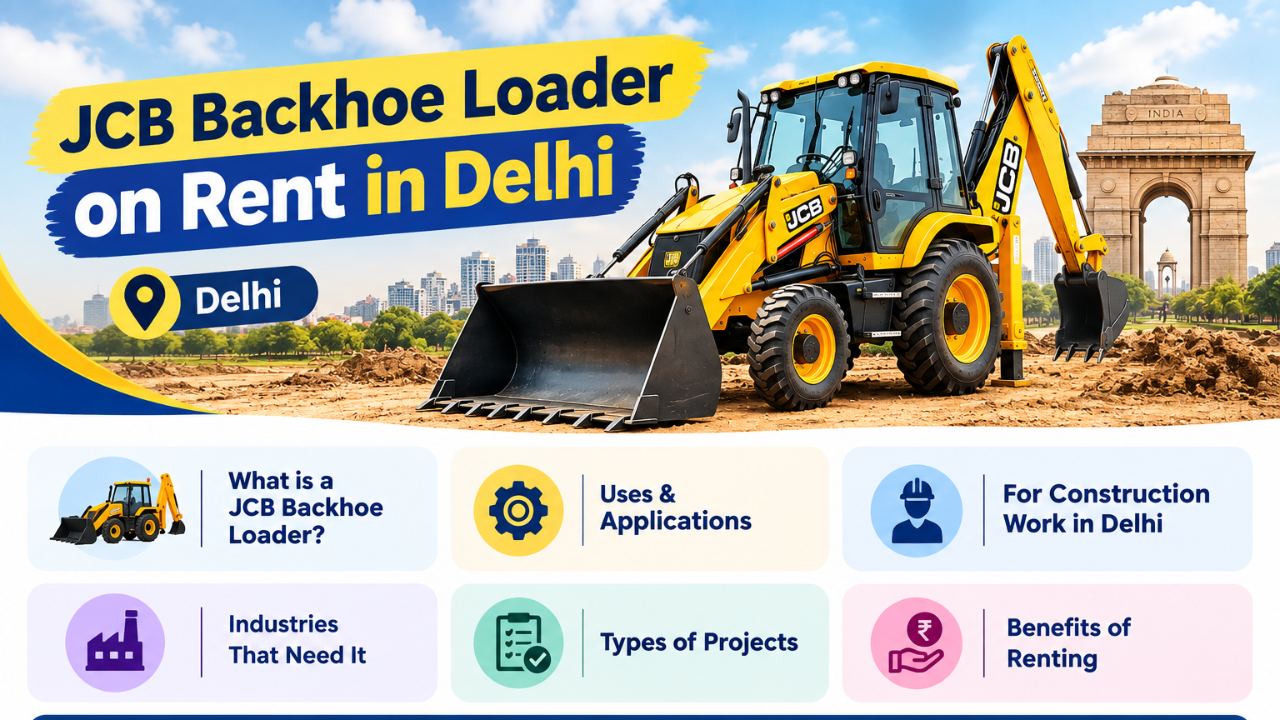
JCB Backhoe Loader on Rent in Delhi | JCB Backhoe Loader in Delhi
JCB backhoe loader on rent in Delhi for construction, excavation, digging and loading work. Book a reliable JCB machine with LiftKaro.
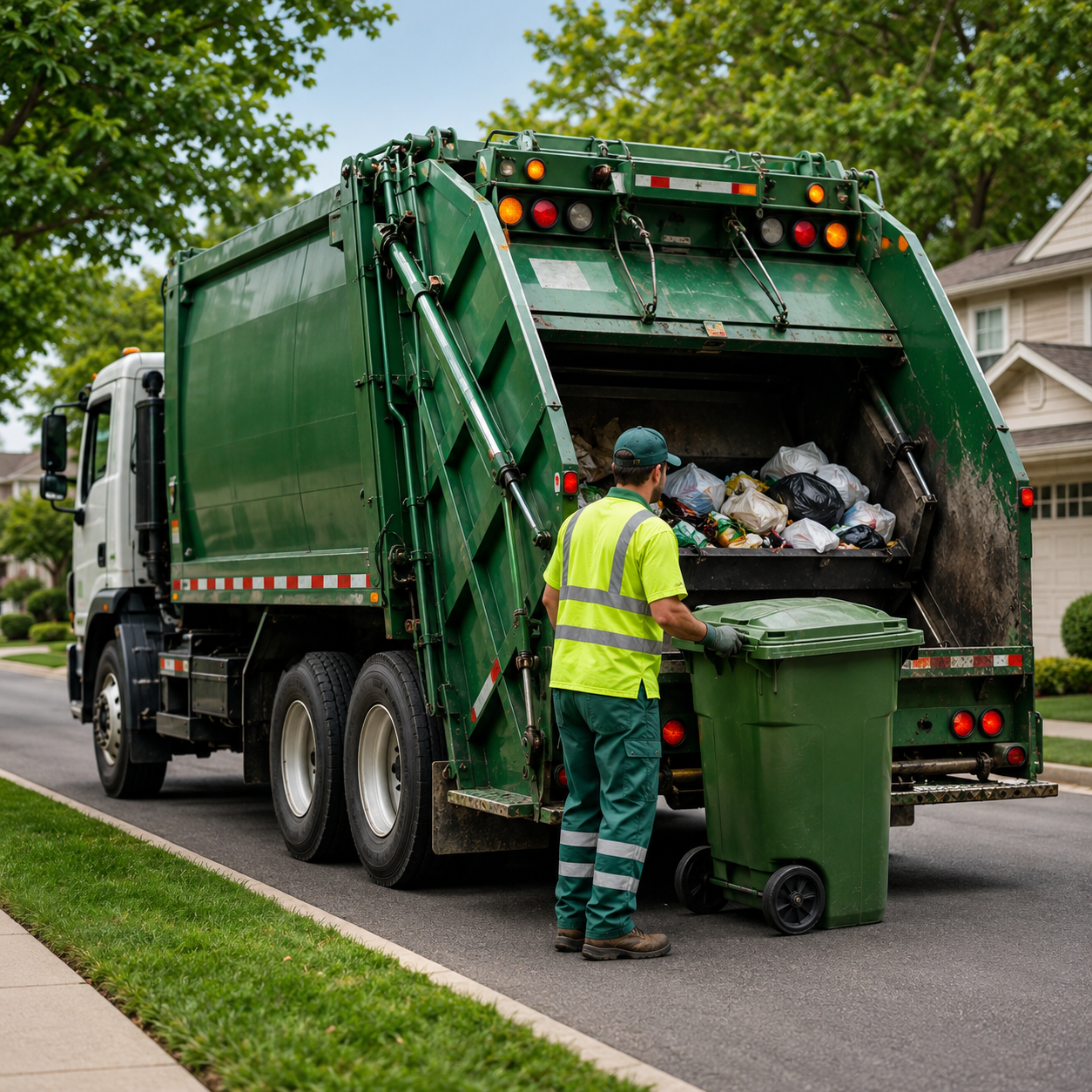
Garbage Removal Near Me | Commercial waste collection | Liftkaro App
Reliable Garbage Removal Service for safe waste removal, cleaner surroundings, and better hygiene for homes, offices, and construction sites.

Water Tanker in Delhi | Water tanker supply in delhi | Liftkaro App
A water tanker service helps people get water when there is a shortage or urgent need. You can book a water tanker online or offline and get water delivered to your location.
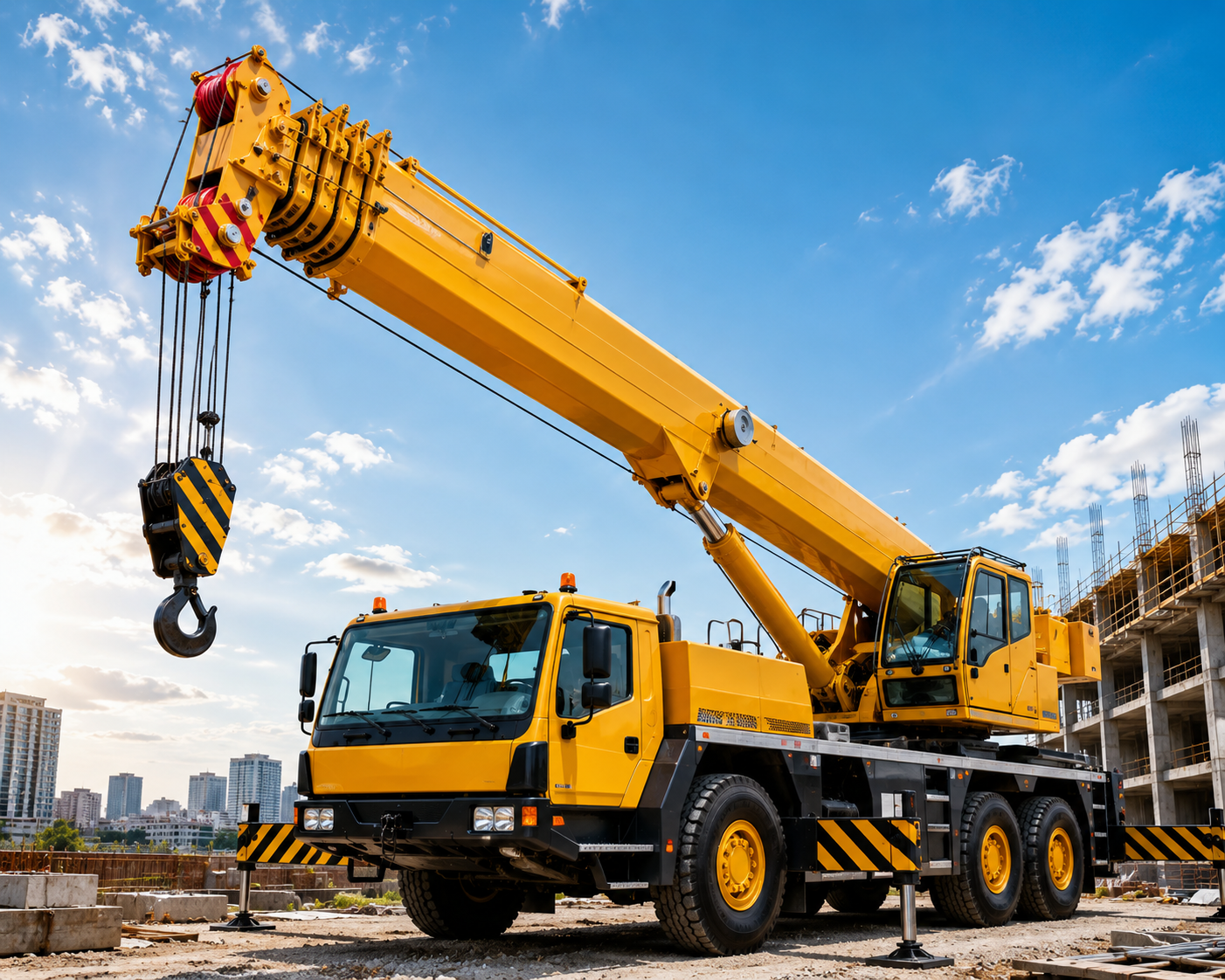
Crane Service Near Me - Fast, Safe, and Reliable Lifting Solutions
Need a dependable crane service near me? Explore fast, safe, and reliable lifting support for construction, industrial handling, and urgent site requirements.

Crane service in Gurgaon | best crane service in gurgaon | Liftkaro App
A crane is a heavy lifting machine used to lift, move, and place heavy equipment and materials from one location to another. Cranes are handy for construction, industrial projects and moving machinery, in Gurgaon and nearby areas.